
What to Know Before Buying in the Santa Cruz Mountains
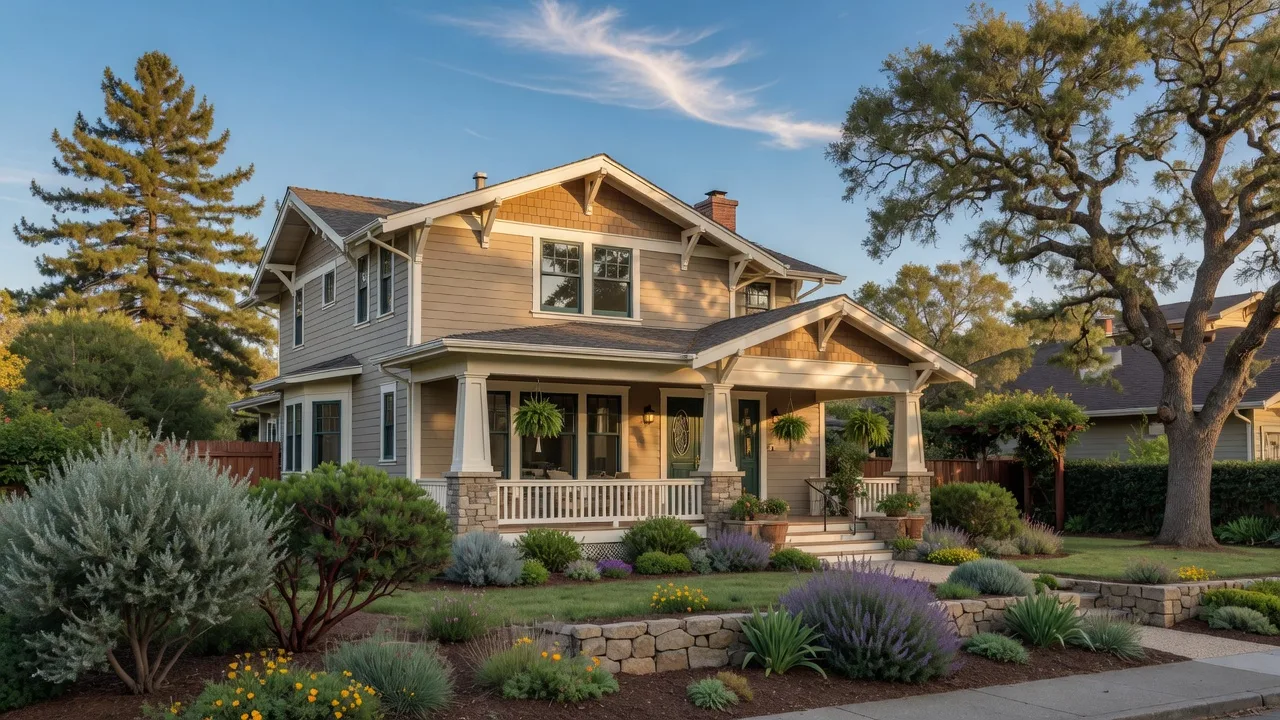
There is something magical about living in the Santa Cruz Mountains. The redwoods, the quiet, the sense that you are somewhere apart from it all — even though the beach and the grocery store are a short drive away. I have helped many buyers find their mountain home, and it is one of the most rewarding parts of what I do. But mountain living comes with its own set of considerations that every buyer should understand before they fall in love with a listing.
Communities with Distinct Personalities
The Santa Cruz Mountains are not one neighborhood — they are a collection of communities, each with its own character. Felton has a small-town Main Street feel, with a community that rallies around local events and a general store that still feels like it belongs in a movie. Ben Lomond stretches along Highway 9 with a mix of homes tucked into the trees. Boulder Creek is even deeper in the mountains, with a rugged, independent spirit and a community that has weathered its share of challenges — from fires to floods — and come out stronger.
Scotts Valley sits at the higher, flatter end of the mountains and has a more suburban feel, with good schools and easy freeway access. It is a popular choice for families who want mountain proximity without the steep driveways and the longer commute.
Fire Zones and Insurance
This is the one that catches some buyers off guard, so I am going to be direct about it. Many properties in the Santa Cruz Mountains fall within designated fire hazard severity zones. That means your homeowner's insurance may cost more, and in some cases, finding coverage can take extra effort.
Some insurers have pulled back from writing policies in high-fire areas in California. Others require specific defensible space measures around the home before they will issue a policy. I always recommend that my mountain buyers start the insurance conversation early — before you are in escrow. A good insurance broker who knows the mountains can save you a lot of surprises at closing.
Water, Wells, and Sewer
Not every mountain home is on city water and sewer. Many properties rely on private wells for water and septic systems for waste. Both work perfectly well — thousands of mountain residents have relied on them for decades — but they do require awareness.
A well means you are responsible for your own water supply. I have my buyers ask about the well's depth, flow rate, and water quality. A septic system needs periodic inspection and pumping. Neither is a dealbreaker, but both should be inspected during your due diligence. If a property is on county water and sewer, that is one less thing to worry about — and it can be a selling point if you eventually resell.
Roads, Access, and the Commute
Mountain roads are part of the lifestyle. Many homes are accessed by narrow, winding roads that can be steep and — during heavy winter rains — occasionally impacted by slides or fallen trees. The county maintains the major roads, but private roads may be maintained by homeowners or a road association.
Before you buy, drive the route from the property to wherever you need to be — work, school, the grocery store — at different times of day. Morning commute hours on Highway 17 through the mountains can be slow. Some buyers work from home and the commute is irrelevant. Others need to be in San Jose or Santa Cruz regularly, and the drive is a daily reality.
The Trees, the Light, and the Lifestyle
Let me tell you the good part, because there is a lot of it. Mountain homes often sit among second- and third-growth redwoods that are 80 to 150 feet tall. The light filters through the canopy in a way that makes everything feel calm and sheltered. The air is cleaner. The nights are darker. You will see deer, maybe a bobcat, and if you are lucky, a great horned owl.
The homes themselves are as varied as the landscape — hand-built cabins from the early 1900s, mid-century ranches, contemporary builds with walls of glass looking out into the canopy. Many mountain homes have decks that essentially function as outdoor living rooms for most of the year. The lifestyle attracts artists, writers, tech workers who commute a few days a week, and people who simply want a different pace of life than the coast offers.
What to Ask at Every Showing
- Is the property in a fire zone? If so, what are the defensible-space requirements?
- What is the water source? Well or county water? If a well, when was it last tested?
- Septic or sewer? When was the septic last inspected or pumped?
- Is the road public or private? Who maintains it? Is there a road association?
- How is cell service? Some mountain areas have limited coverage. Internet options matter too — ask about broadband availability.
- Any history of flooding or slides? Disclosure documents should cover this, but always ask directly.
The Bottom Line
Buying in the Santa Cruz Mountains is not for everyone — and that is part of why the people who do it love it so much. It is a lifestyle choice as much as a real estate decision. The right mountain home, in the right location, with eyes-open awareness of the realities, can be one of the most rewarding purchases you ever make.
I have been exploring these mountains for over 50 years and helping people buy homes in them for more than 12. If you are curious about what is available and what the realities look like, I would love to talk. Call me at (831) 247-5719 or visit the contact page.
More from Kieron Bery: Santa Cruz Mountains neighborhood guide | Felton | Ben Lomond | Boulder Creek | Buying guide